White Sands and One of New Mexico's Greatest Unsolved Mysteries
Talk about desert drama…
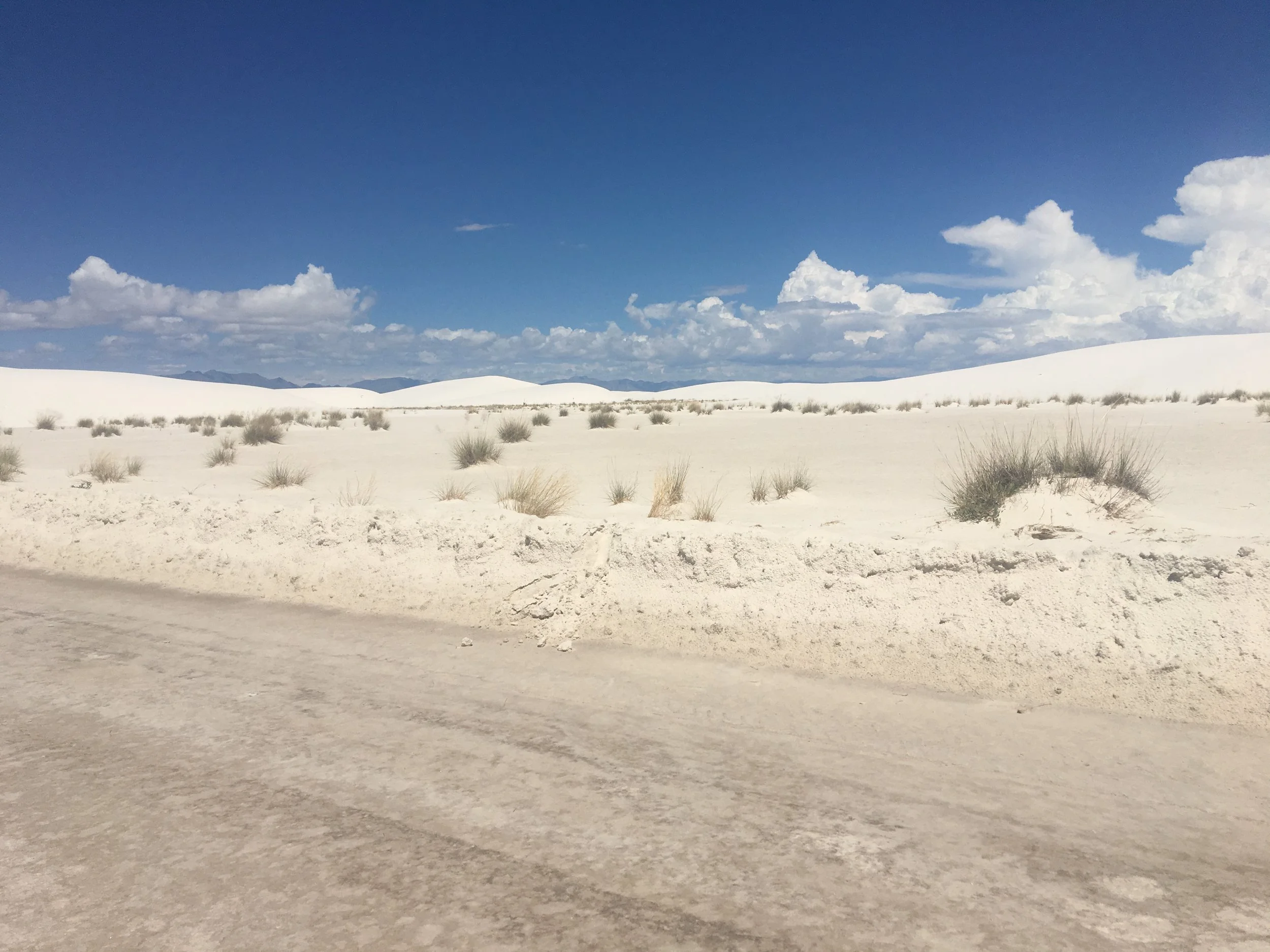
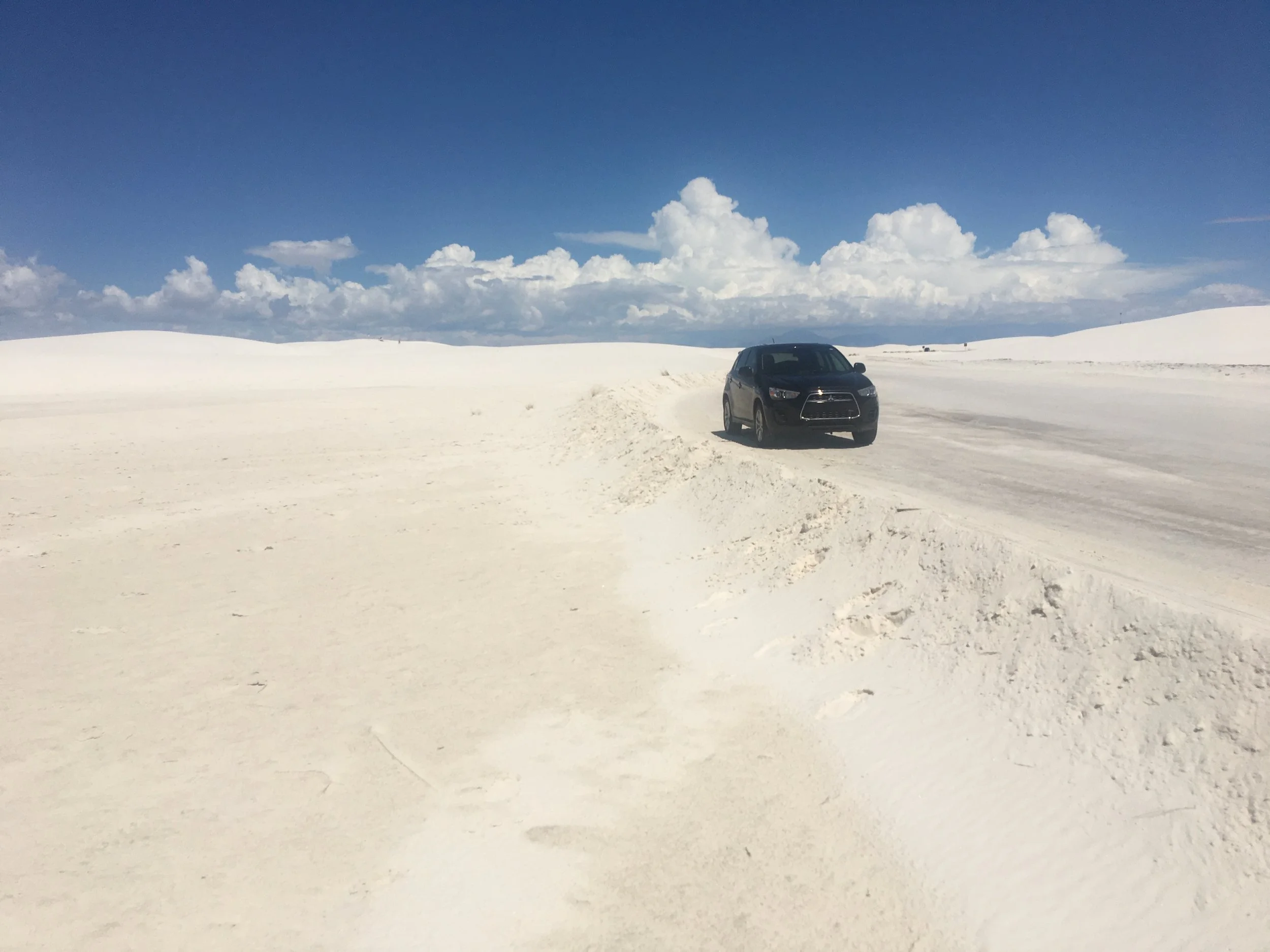
White Sands National Park is unlike anywhere else in New Mexico. Nestled within the northern reaches of the Chihuahuan Desert, endless white gypsum dunes stretch across the landscape, reflecting so much sunlight they almost seem to glow.
It's one of the most otherworldly places in the American Southwest. More than 275 square miles of white gypsum dunes stretch across southern New Mexico, creating the world's largest gypsum dune field.
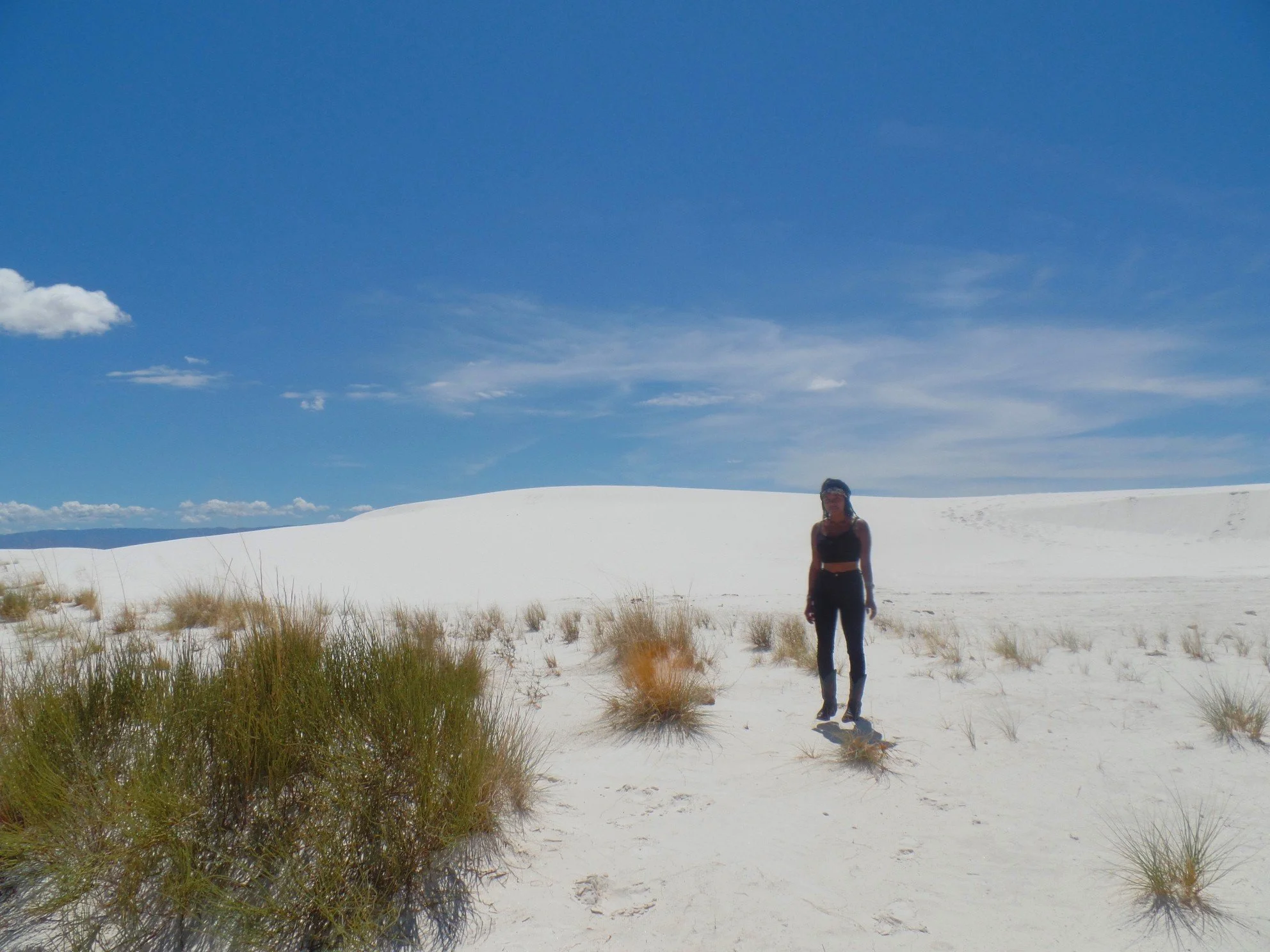
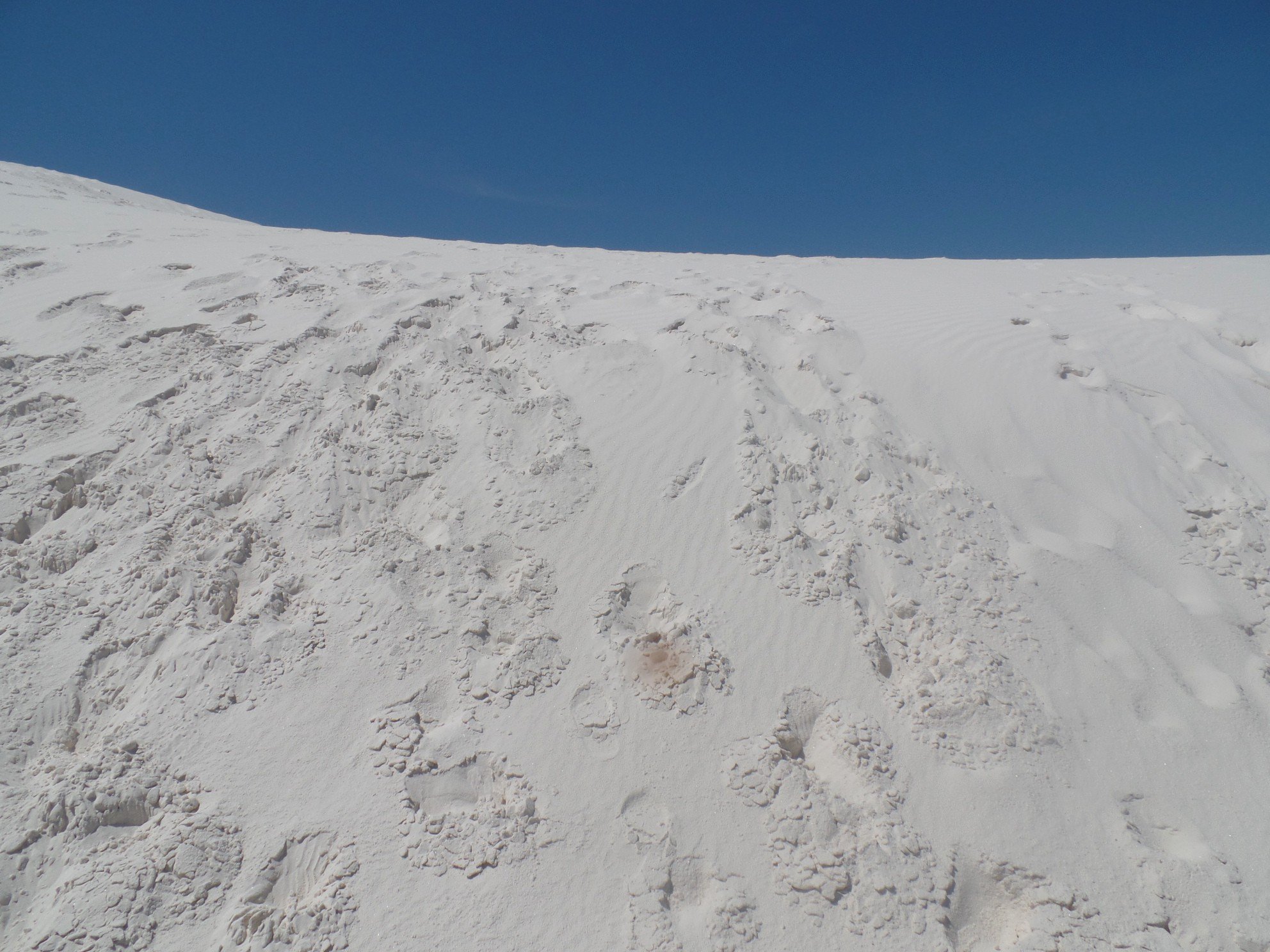
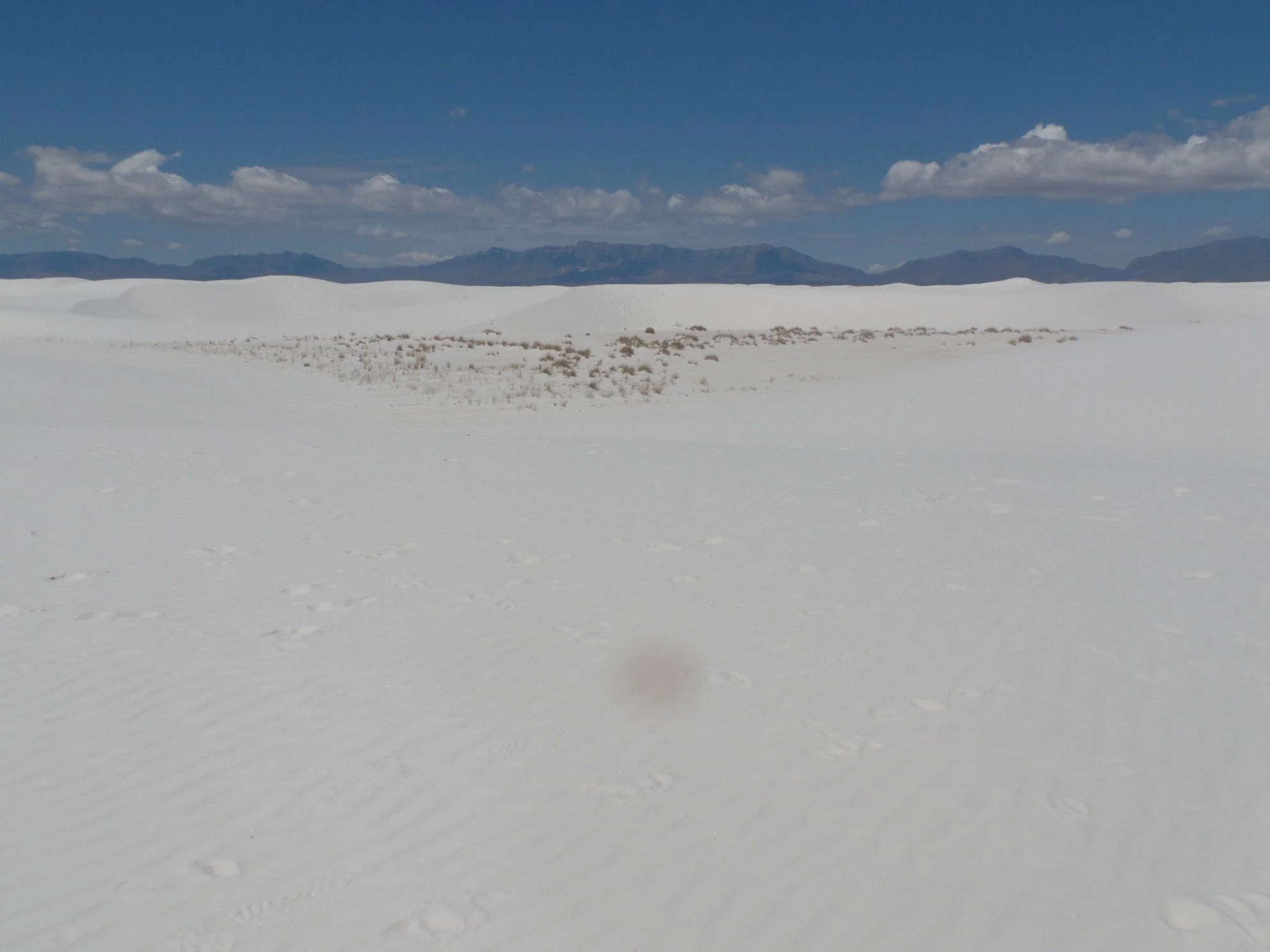
Walking across the fluffy white sand feels almost surreal, especially under a blue sky when the sunlight is reflecting in every direction. I kept stopping just to look around since every direction looked exactly the same. It almost felt like being surrounded by fresh snow in the middle of the desert, except the warmth quickly reminded me where I actually was.
This photo wasn't intentional. My camera completely blew out the exposure. In a strange way, it captures what White Sands actually felt like. The gypsum reflected so much sunlight that it felt like walking through a landscape made of light instead of sand… like stepping into a dream or another world.
The Drive to White Sands
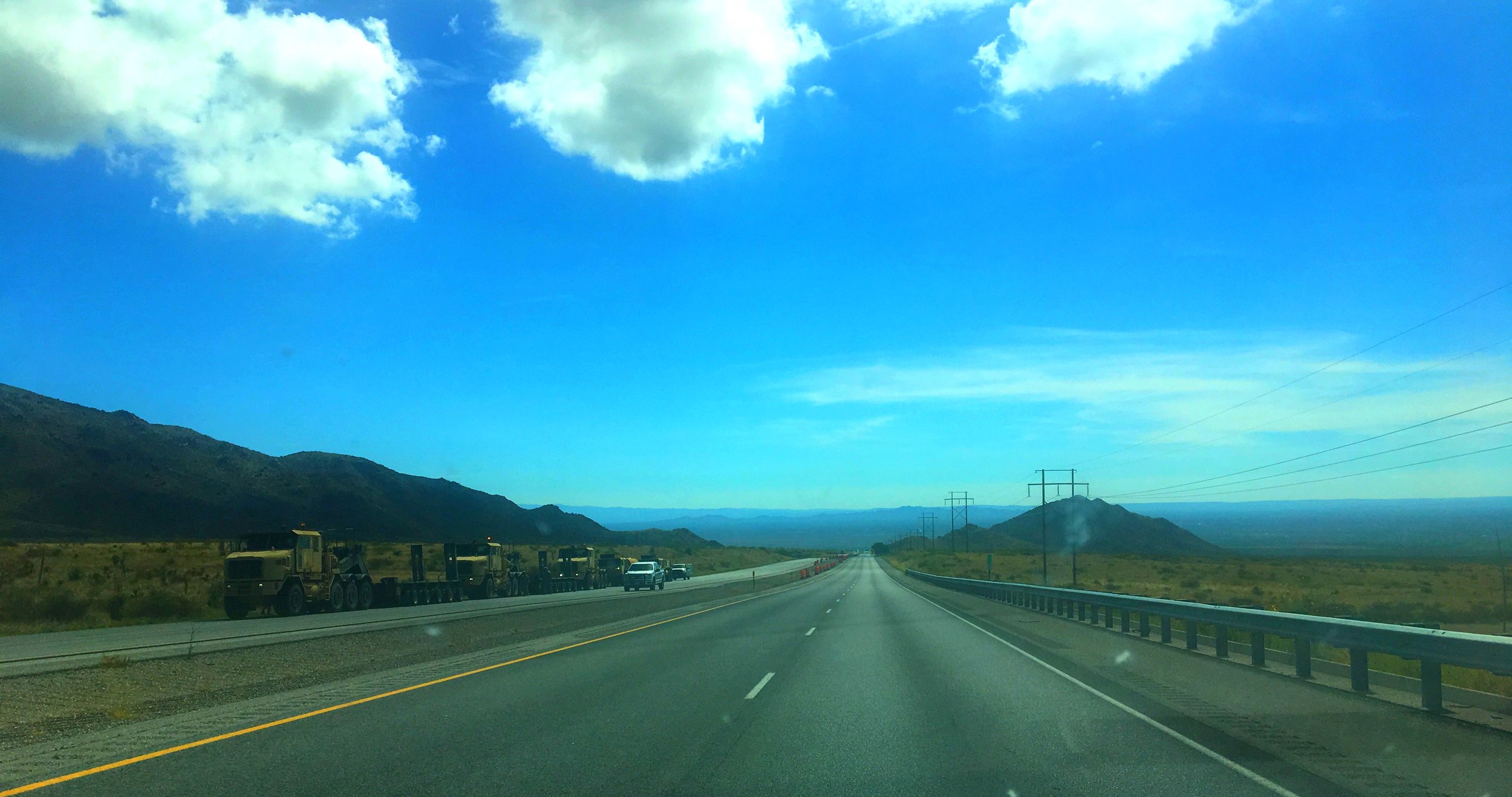
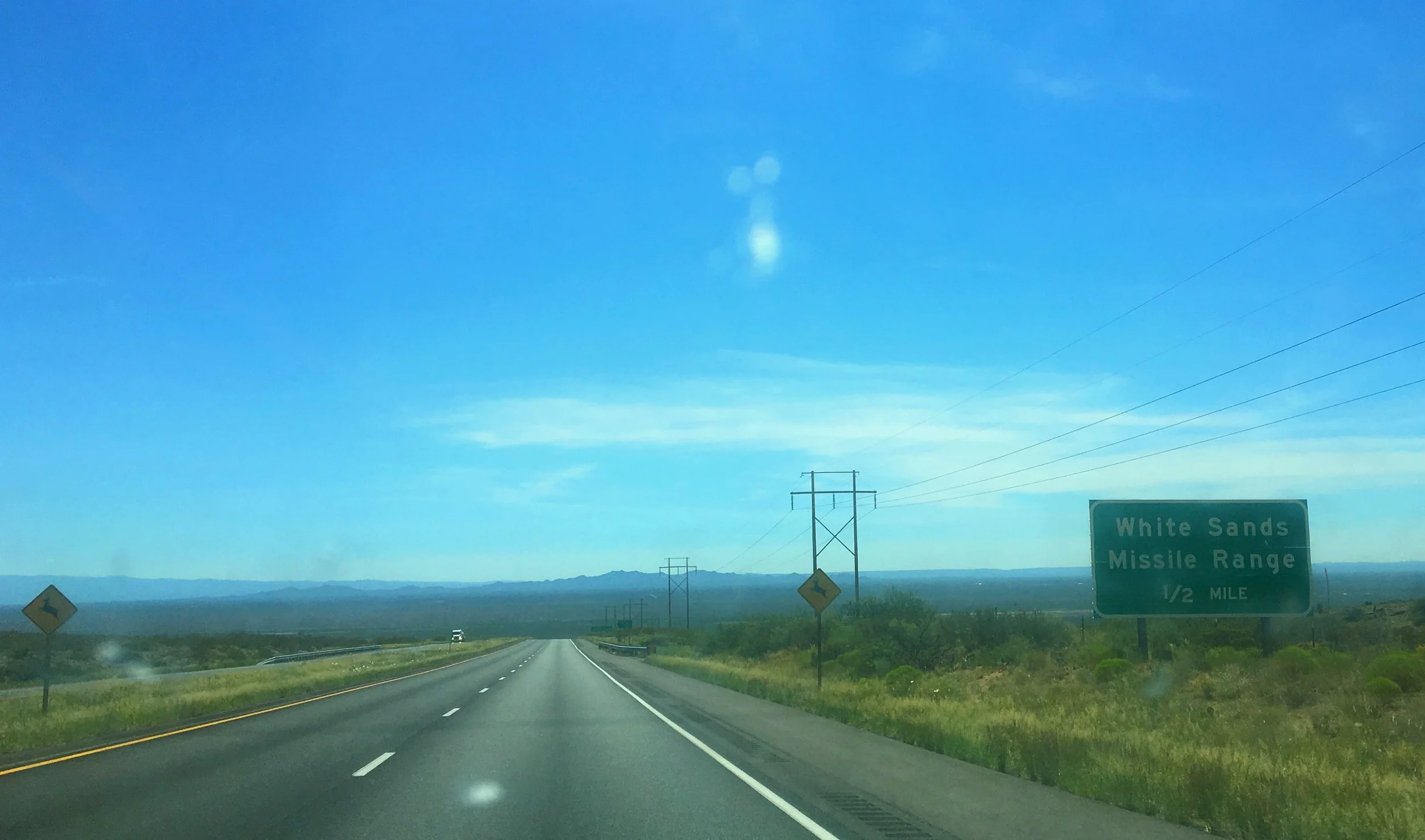
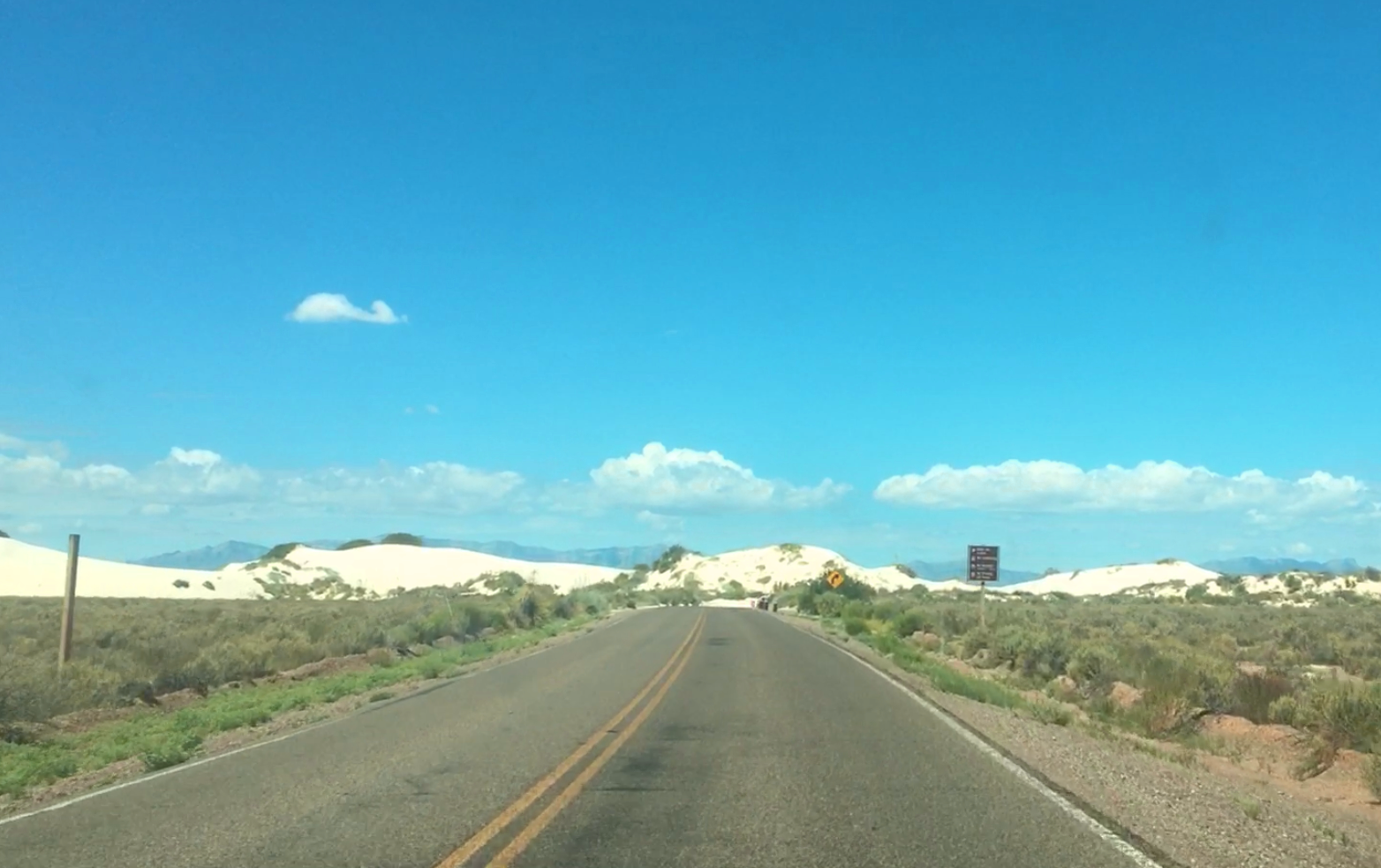
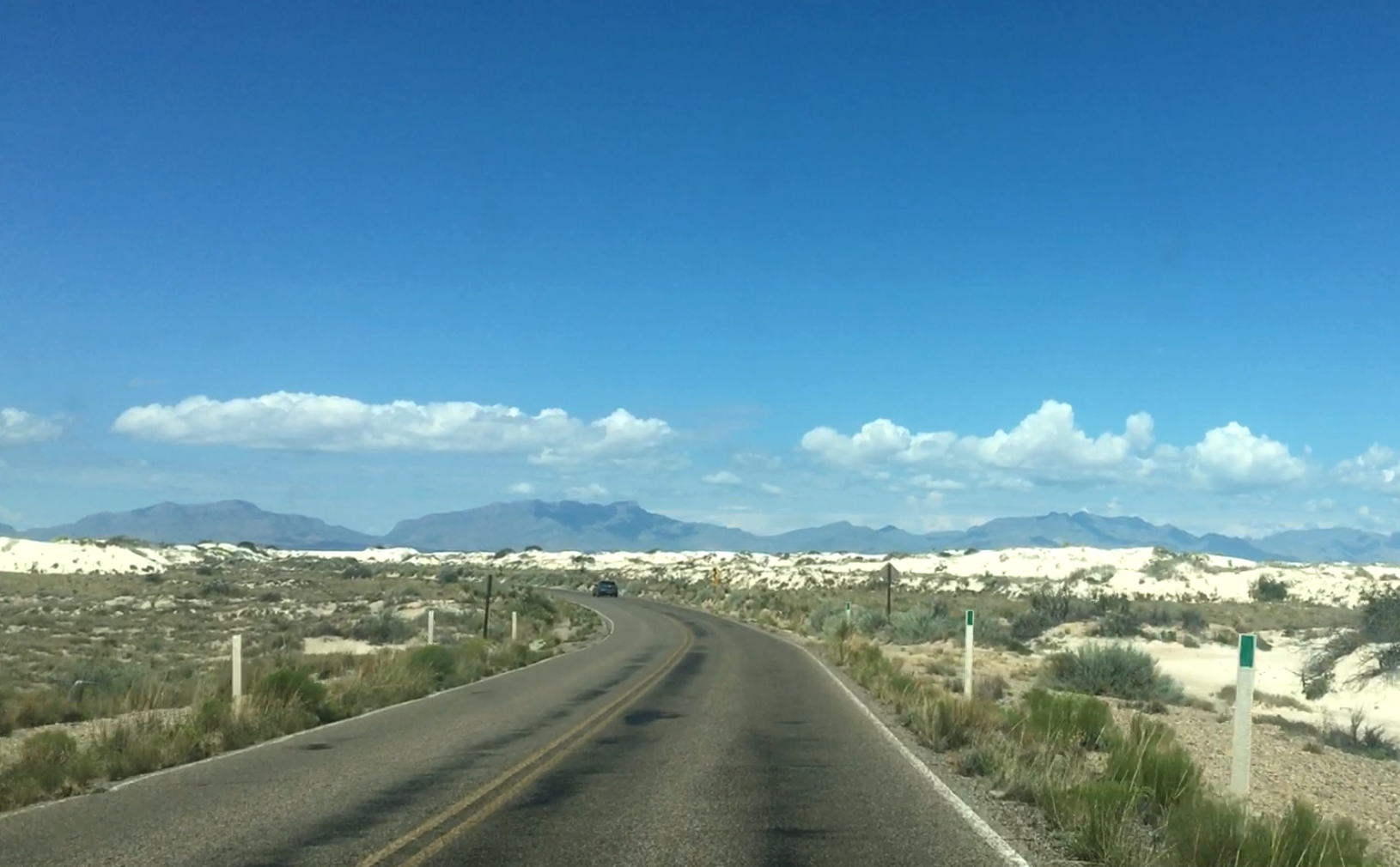
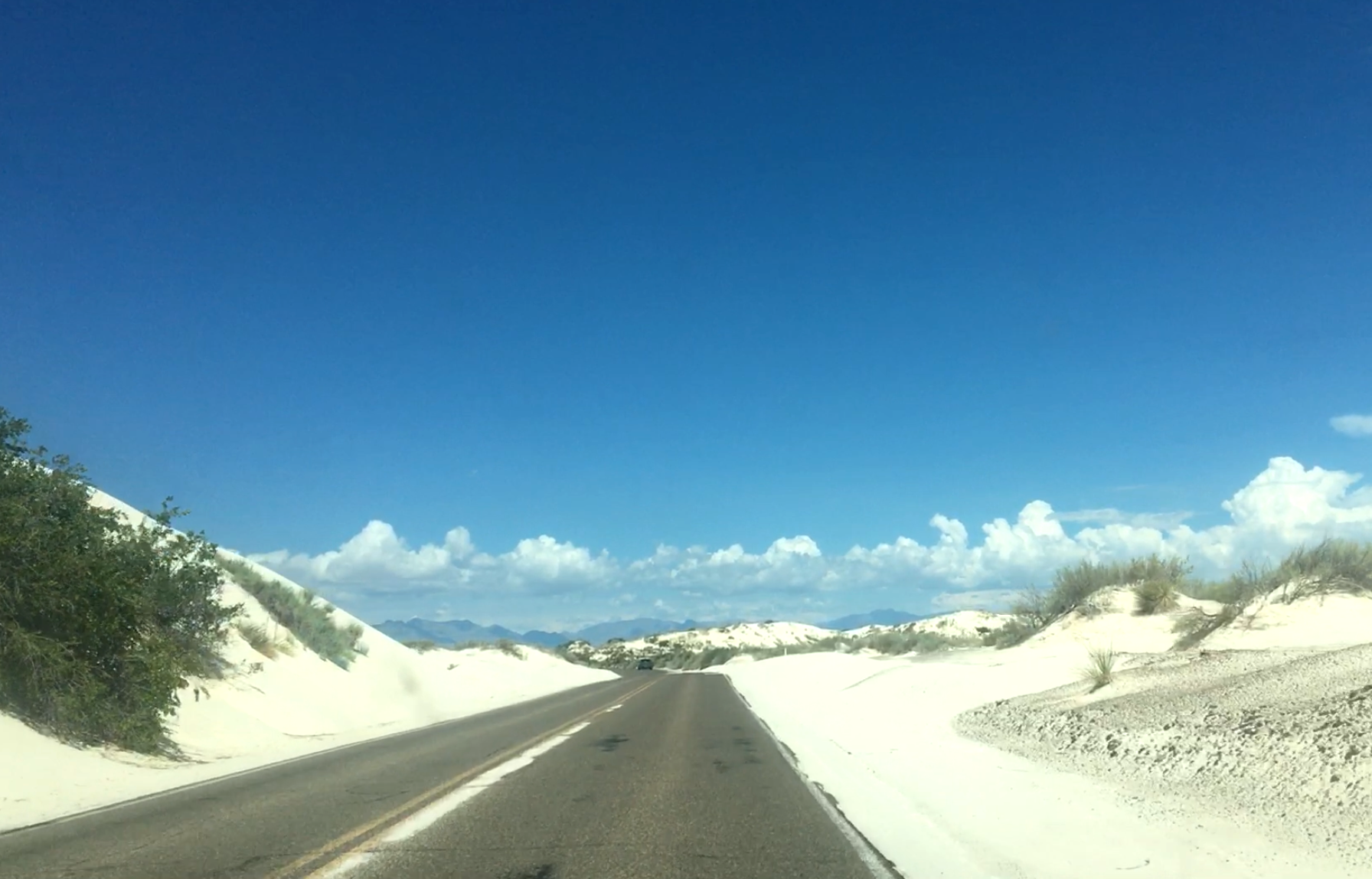
The drive to the White Sands National Park is just as mesmerizing. Along U.S. Highway 70, you'll pass signs for White Sands Missile Range and may even spot military vehicles parked along the roadside… a reminder that this part of the desert has played an important role in American history. Then dramatically, the terrain changes and the white dunes begin to appear on the horizon.
Engulfed within the White Sands
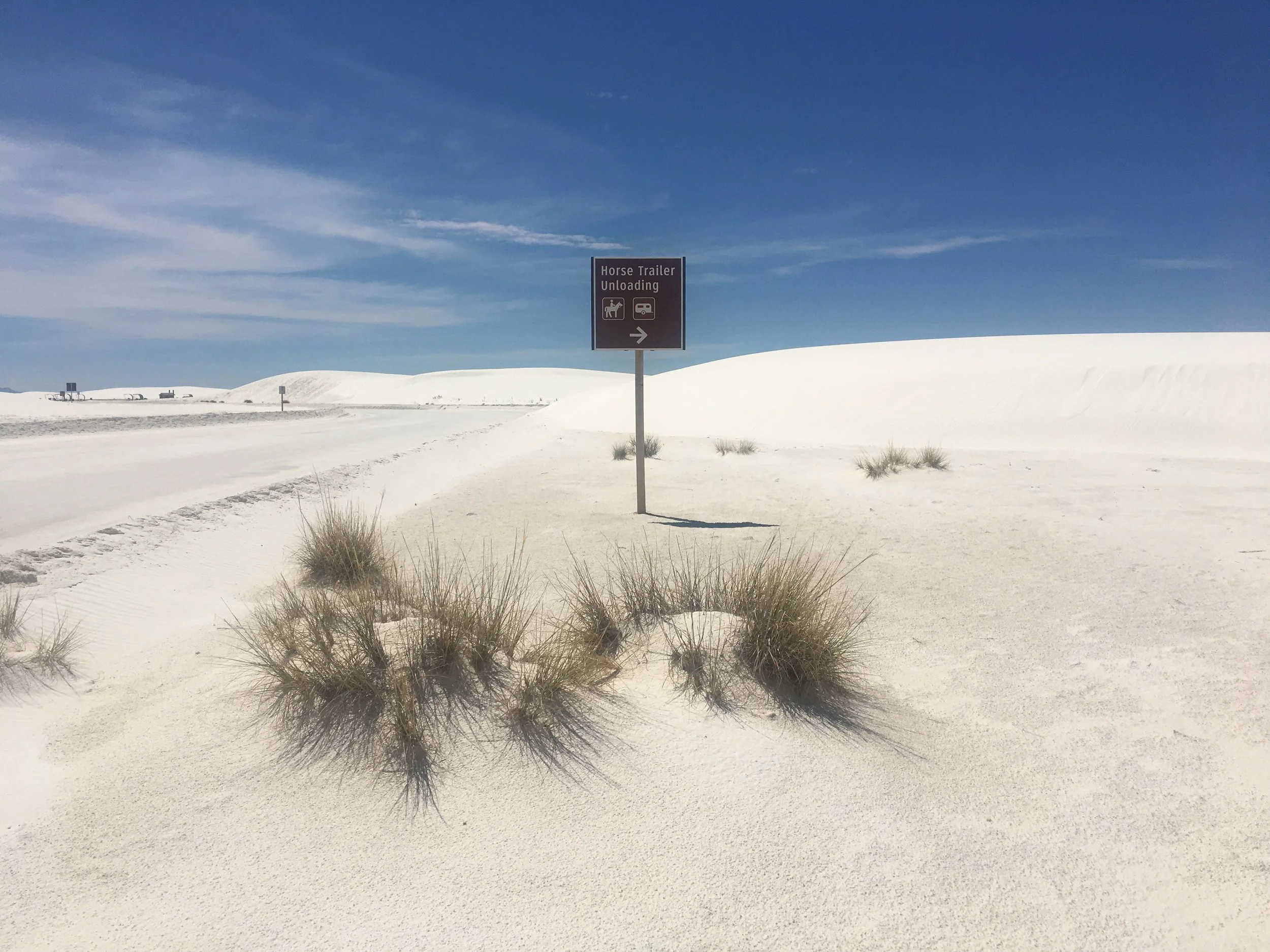
Whether you're hiking the dunes, sledding down the hills, or simply traipsing around as I did, White Sands is one of those places that photographs never quite do justice. I had seen plenty of photos of White Sands before visiting, but none of them prepared me for just how bright it really is. The dunes seem to swallow everything around them until all that's left is white sand and blue sky. The sunlight bouncing off the gypsum is so intense that it almost overwhelms your senses in the best way. There were moments when the horizon seemed to dissolve into the white sand around me. It was spellbinding in a way that's difficult to explain until you're standing there yourself.

A Mystery Just Down the Road From The Dunes
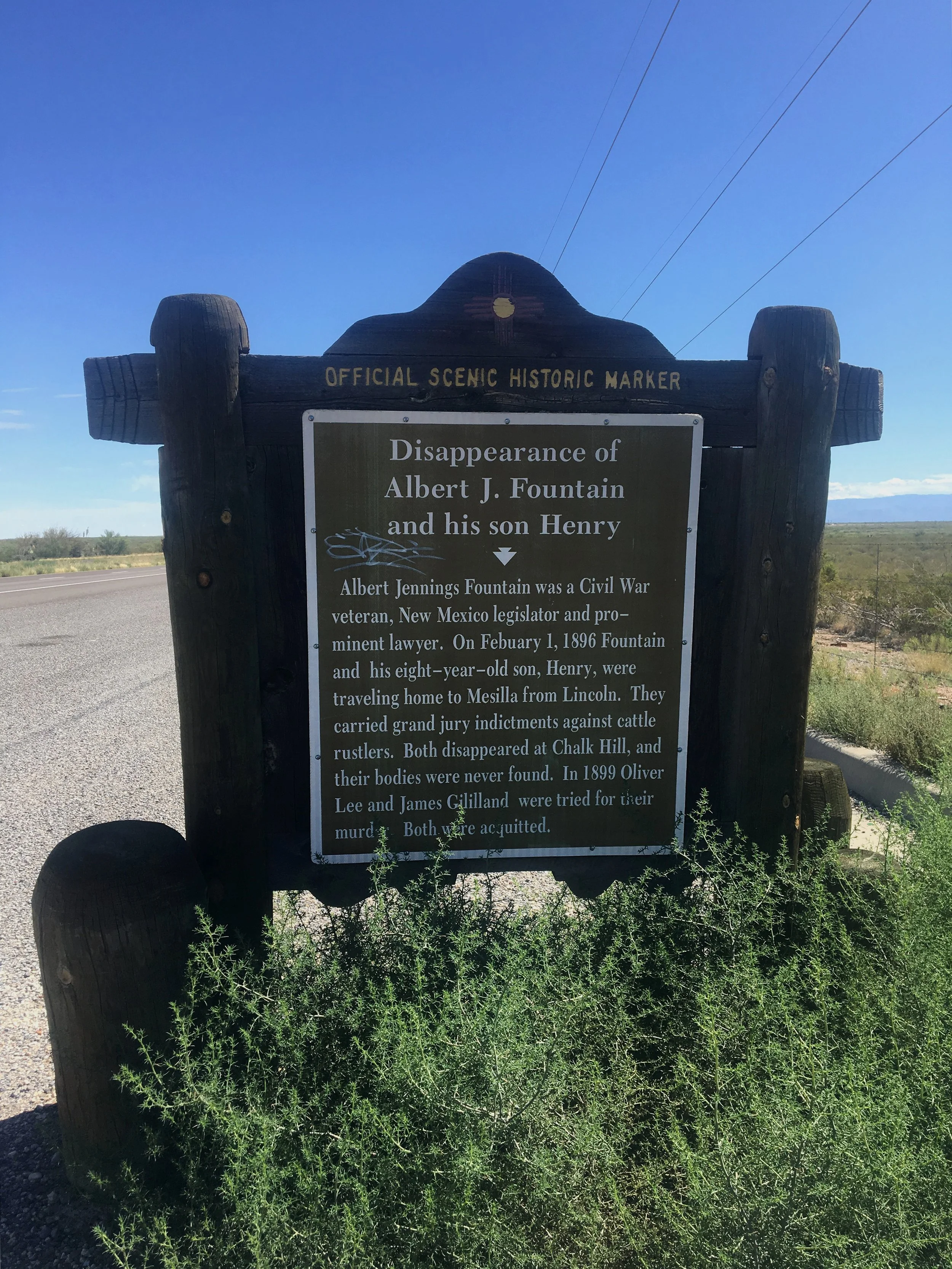
Along the way is one of New Mexico's most interesting roadside historic markers and I had to stop and walk the highway for this one. The sign tells the story of Albert J. Fountain and his eight-year-old son, Henry, who disappeared without a trace on February 1, 1896. Albert Fountain was a Civil War veteran, attorney, newspaper editor, and New Mexico legislator. At the time of his disappearance, he had been actively prosecuting cattle rustlers and political corruption throughout the territory, making him a number of powerful enemies. After leaving Lincoln and heading home to Mesilla, Albert and Henry vanished near Chalk Hill. Searchers later discovered Fountain's wagon, horses, and signs of violence, but Albert nor Henry were ever found. Google it, pretty interesting. A couple of well-known ranchers were eventually charged with the murders, but both were acquitted. Even now, the disappearance remains one of New Mexico's greatest unsolved mysteries.

Worth the Stop
If you're already visiting White Sands National Park, the Albert J. Fountain historic marker is an easy roadside stop along U.S. Highway 70.
A White Sands Dilly Dally
Know Before You Go
✦ Bring more water than you think you'll need.
✦ Sunglasses aren't really optional, the glare from the white gypsum can be surprisingly intense.
✦ Don't rush. Some of the best moments happen when you simply dilly dally the dunes without a destination.
✦The Dunes Drive is worth taking slowly, with plenty of pullouts for photos and short walks.
✦ Summer afternoons can be extremely hot, so mornings and evenings are much more comfortable.
✦ Before leaving the area, make a quick stop at the Albert J. Fountain Historic Marker along U.S. Highway 70. It's an easy roadside detour that adds an interesting piece of Old West history to your White Sands adventure.