The Saguaro is Gone at Scorpion Gulch, South Mountain, Phoenix, Arizona
November 28th, 2024
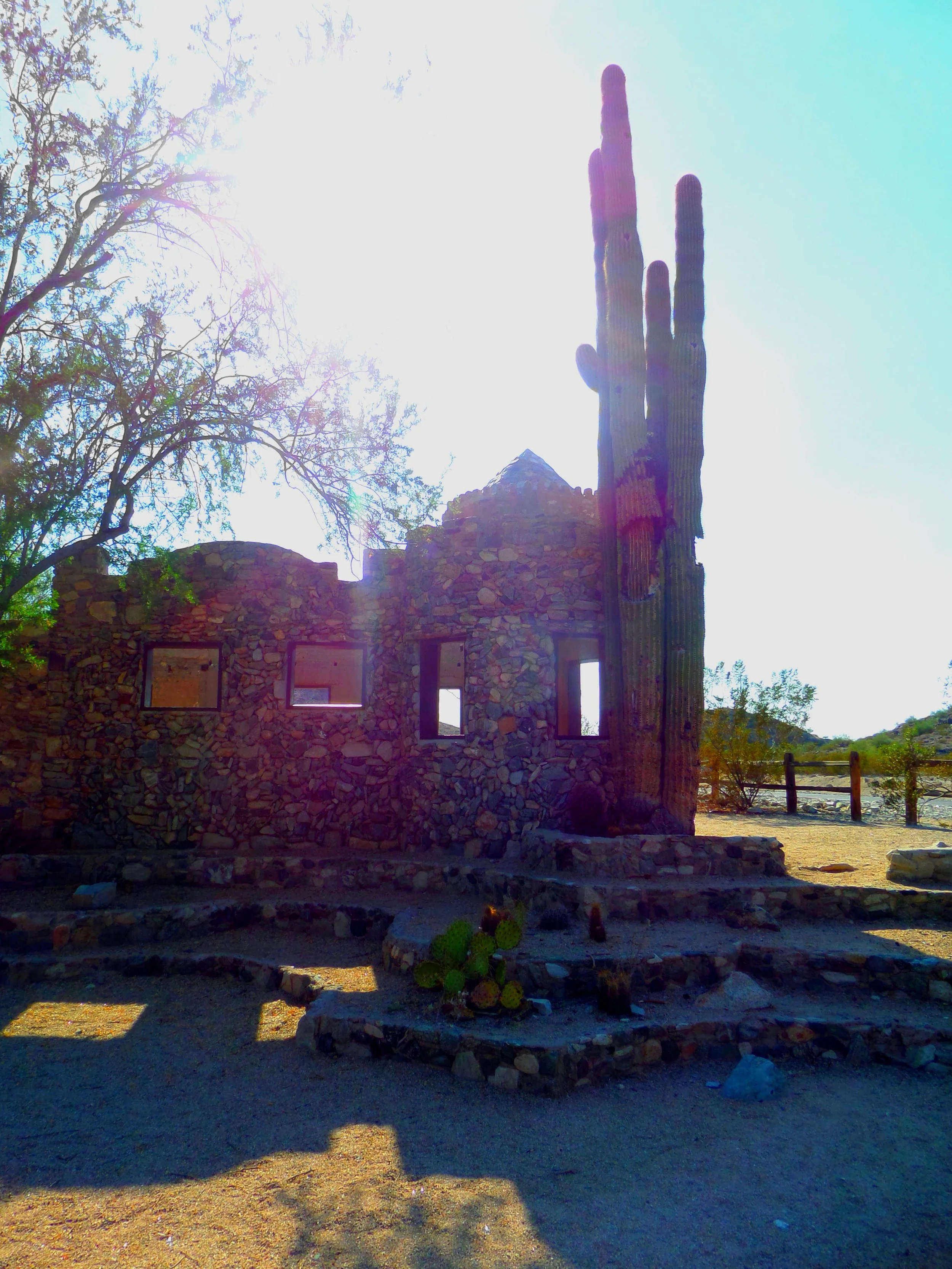
The old saguaro that once stood beside the stone ruins of Scorpion Gulch. My favorite photograph of it, taken in 2016.
You Didn’t Notice Something Is Missing?! Tsk, Tsk.
For many lifetimes, a saguaro giant stood beside the stone ruins of Scorpion Gulch at the base of South Mountain in Phoenix, Arizona. The old saguaro was just as much a part of the landmark as the ruins themselves.
I first visited Scorpion Gulch in 2011, but I don’t have any quality photos from that time. My favorite photograph of the old saguaro is the one pictured above, taken in 2016.
Through the years, I’ve returned to Scorpion Gulch again and again and swooned over this old saguaro. When you’re looking at one of these massive desert giants, you could be looking at a cactus that has been standing there for 150 years or more, so you never really know just how old a saguaro is. I never imagined that one day I’d look back at these photographs and feel thankful to have unknowingly documented some of its final years.
A view of Scorpion Gulch with the old saguaro peeking from the opposite side, 2018.
A Little History of Scorpion Gulch
Scorpion Gulch dates back to 1930s when William Lunsford purchased a small piece of land near the entrance to South Mountain Park. He hauled the rock himself and built a store called South Mountain Trading Post and also a home where he and his wife lived. The little shop sold curios, Native-made goods, sodas, candy, and Lunsford also grew an assortment of cactus species.
There's plenty of history on Scorpion Gulch, so if you’re interested, a quick Google search will turn up plenty for anyone who wants to read deeper. For this article, I'm focusing on one small piece of that history that often goes unmentioned… the old saguaro that once stood beside the ruins.
My mother visiting Scorpion Gulch with the old saguaro still standing in the distance, 2022.
Watching an Old Saguaro Age
I haven't been able to find much documented history on the saguaro itself. Given the age saguaros can reach and the size and maturity of this one, I’d bet it was already there before Scorpion Gulch was built. As a fellow cactus lover, I like to imagine that Lunsford chose to build his abode around it.
Taking graduation photos at Scorpion Gulch in 2022, the old saguaro and ruins made an excellent backdrop.
What I do have is my own photographic record and memory of its later years. By 2022, the old cactus looked dramatically different. Large areas of the trunk were damaged and deteriorating, and parts of its exterior skin had disappeared, exposing its woody ribs. It was still hanging in there, though.
Looking back at my photos now, the decline is pretty apparent. I didn't realize it at the time, but those would be my last photographs of the saguaro standing.
Desert Danny beside the old saguaro in 2022, giving some perspective on just how massive it really was.
And Then It Was Gone
I had grown so used to seeing that old saguaro… sometimes multiple times in a single week. So in 2024 when it suddenly wasn’t there, the empty space was impossible for me to miss.
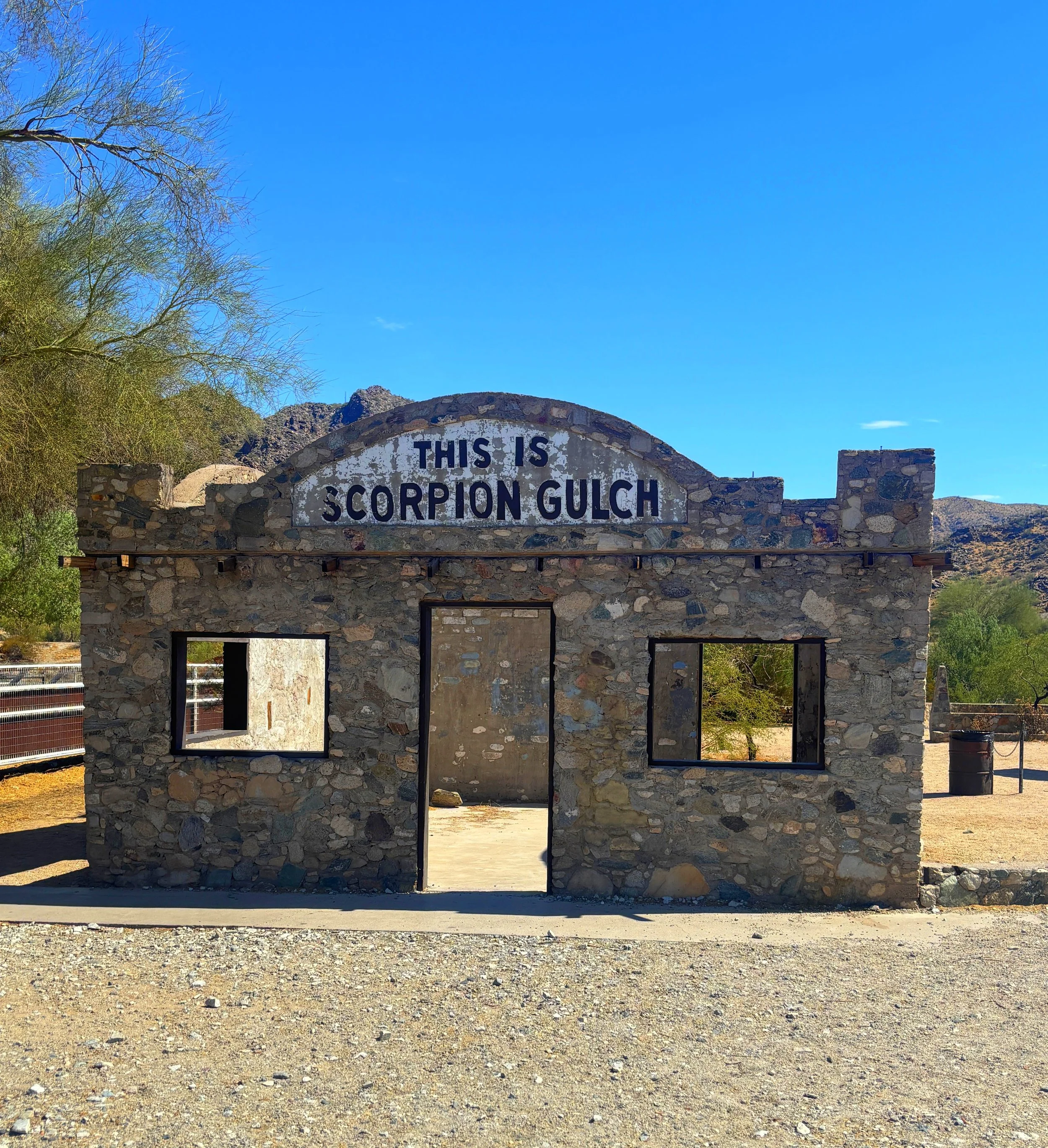
The stone ruins were still there. The mountains were still in the background. But the desert scene just didn’t look the same. There was suddenly an open space beside the ruins where that massive cactus had stood throughout all my visits over the past 13 years.
It was emotional. I was shocked to see it gone.
Standing beside the empty space where the old saguaro once stood, taking in just how different Scorpion Gulch feels without it, 2024.
Pondering What Happened
Saguaros can go through a long period of decline before they finally fall. I’ve wondered whether this one eventually fell on its own or whether it was removed by South Mountain Park before that could happen. Since it was suddenly gone with no obvious remnants left behind, I’m leaning toward the latter, especially because it stood in an area heavily visited by people. But that is only my guess... I don’t actually know what happened to it.
I used to occasionally chat with the park rangers, but I live farther away now and don’t make it to South Mountain as often. On any future visits, if I’m able to find out more about what happened to the old saguaro, I’ll update this article with any new information.
Familiar Desert Ruins, Forever Changed
Saguaros can live for well over a century, which can make them seem like permanent fixtures in the desert. But the Sonoran Desert is constantly changing and evolving, even when those changes go unnoticed.
The old stone ruins are still there though. Explorers can still wander through the empty rooms and look through the windows toward South Mountain. But for anyone who remembers that enormous saguaro standing beside the building, the view is a little different nowadays.
The saguaro is gone. And Scorpion Gulch just isn’t quite the same without it.
A close-up of what remains where the old saguaro once stood beside the Scorpion Gulch ruins.
Various Scorpion Gulch Dilly Dallies
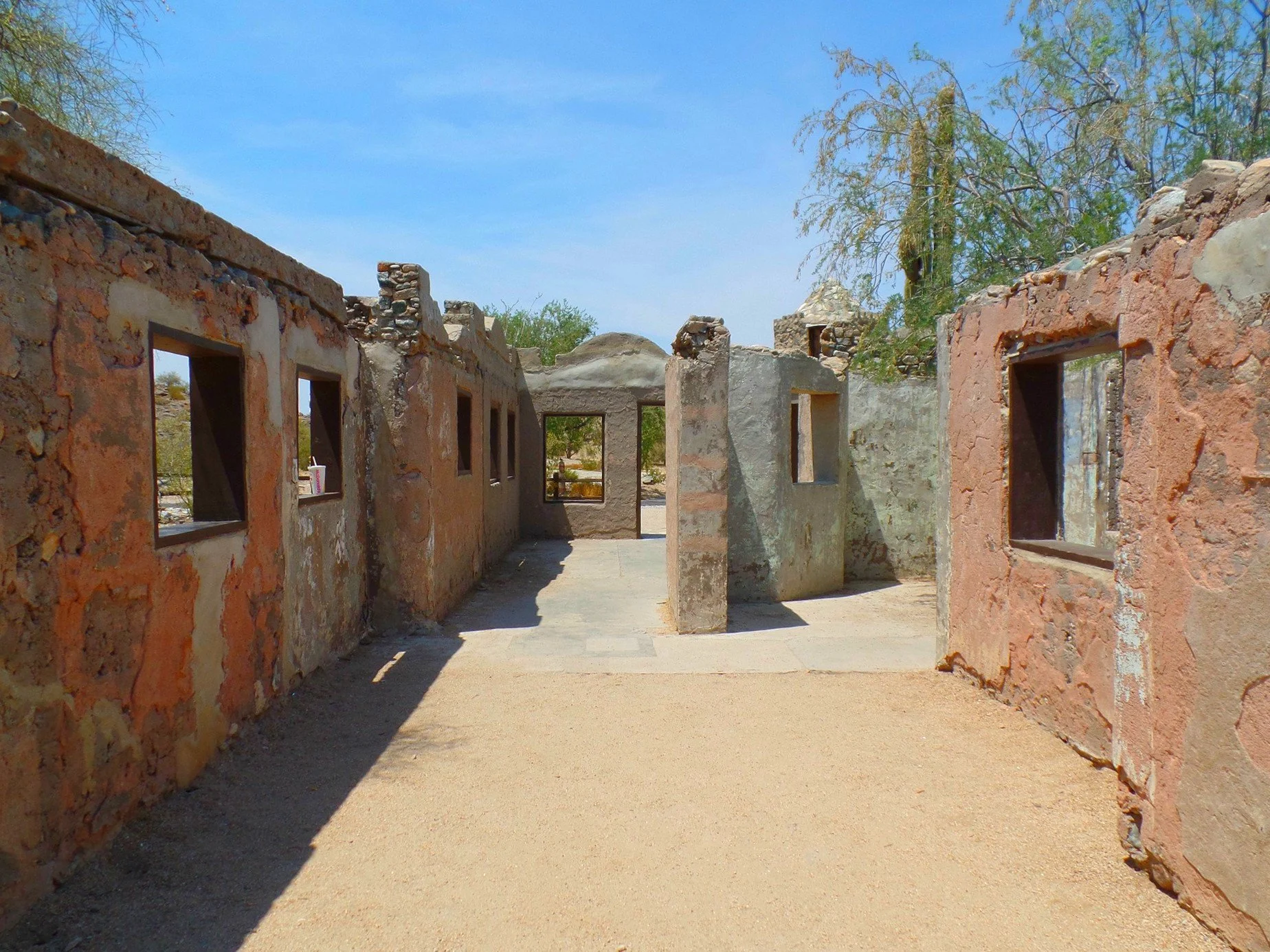
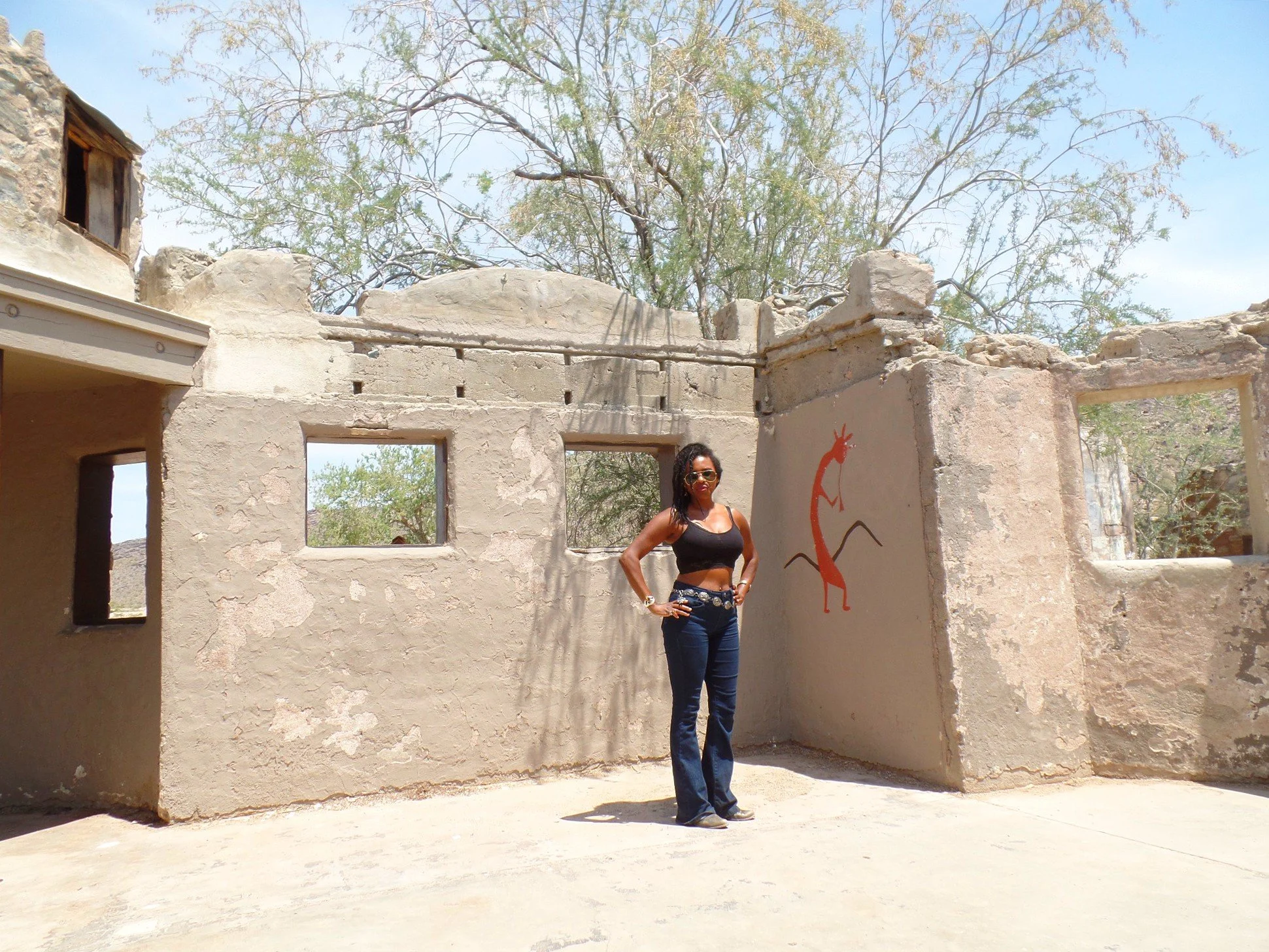
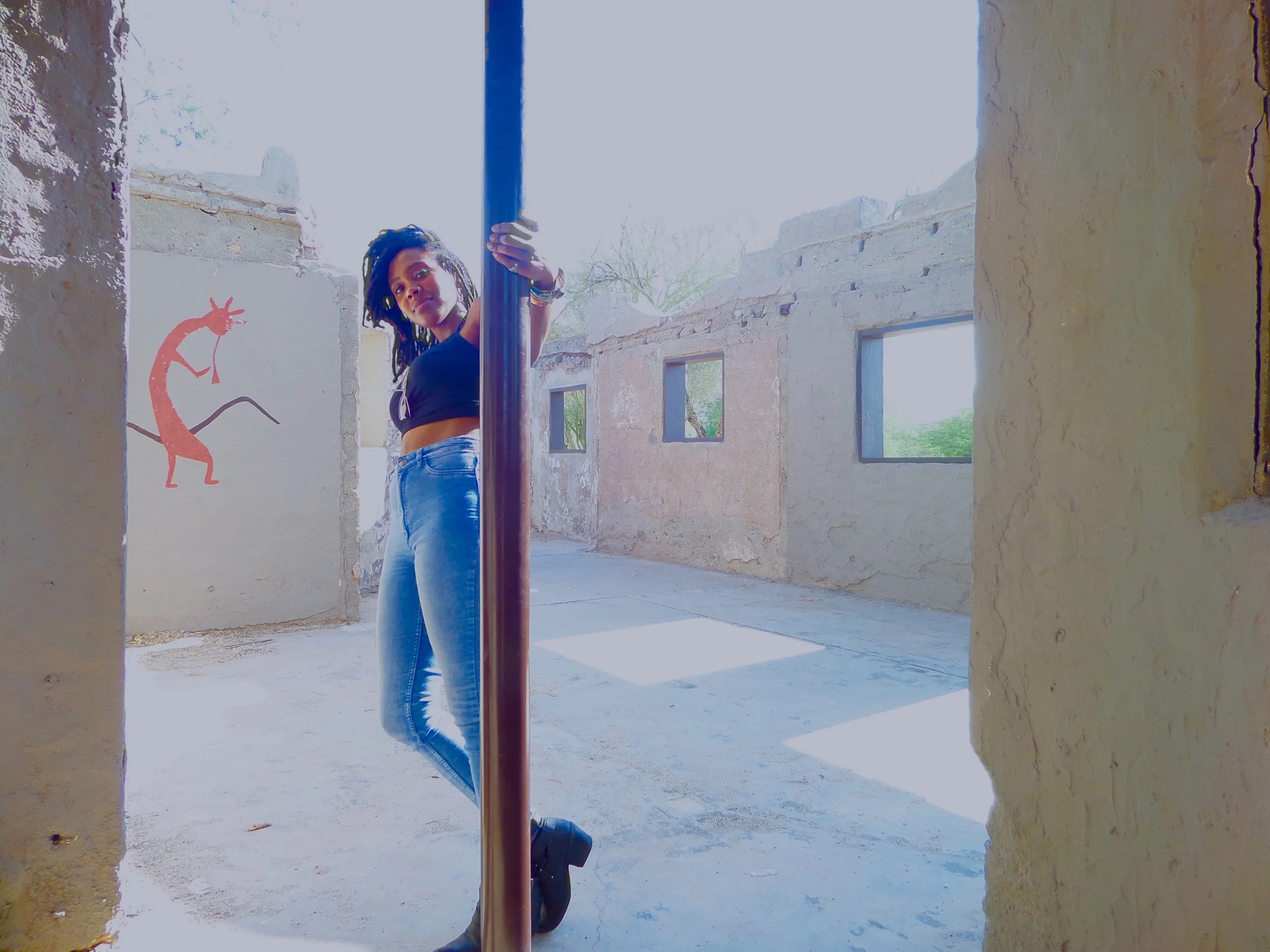
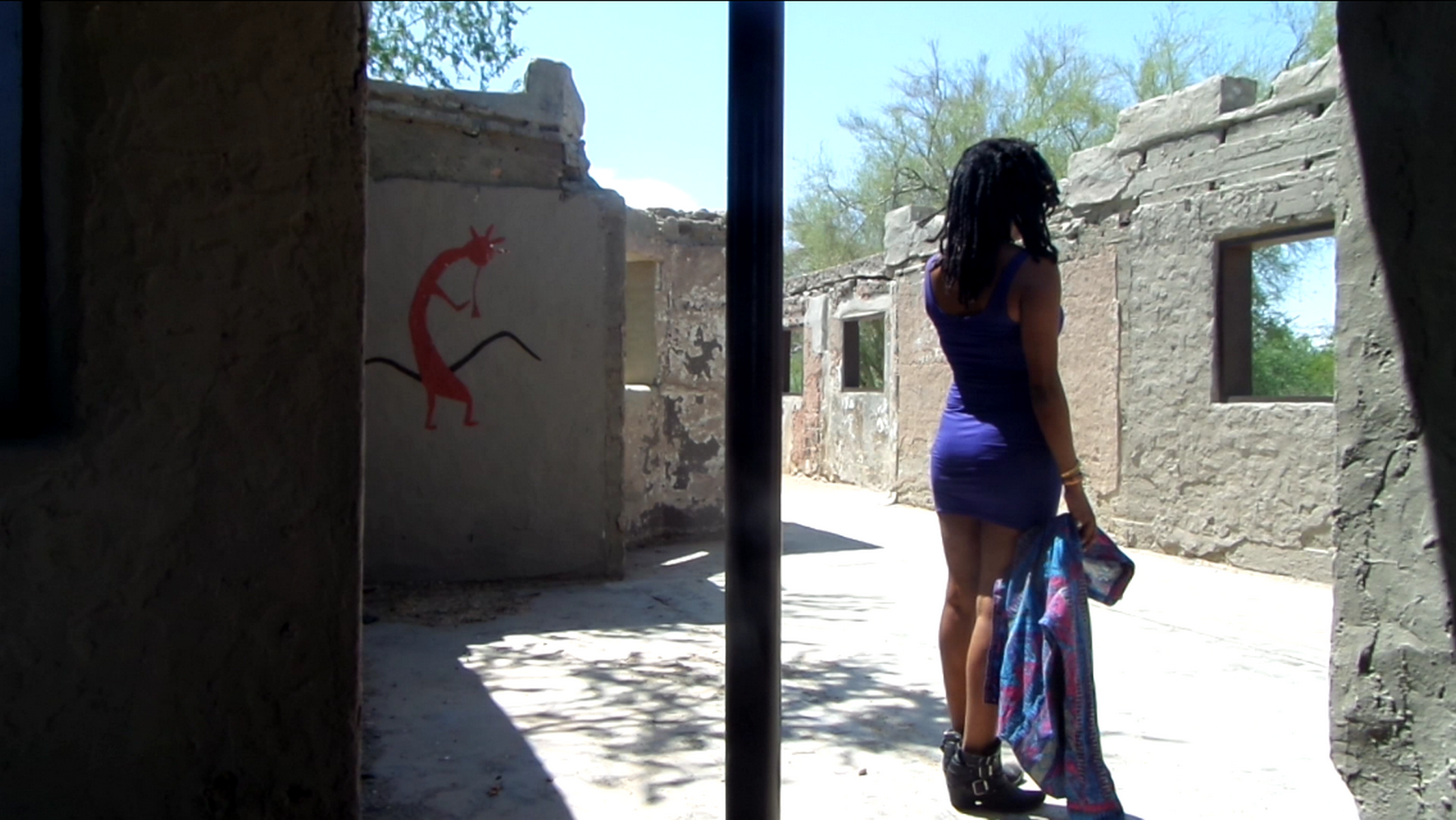
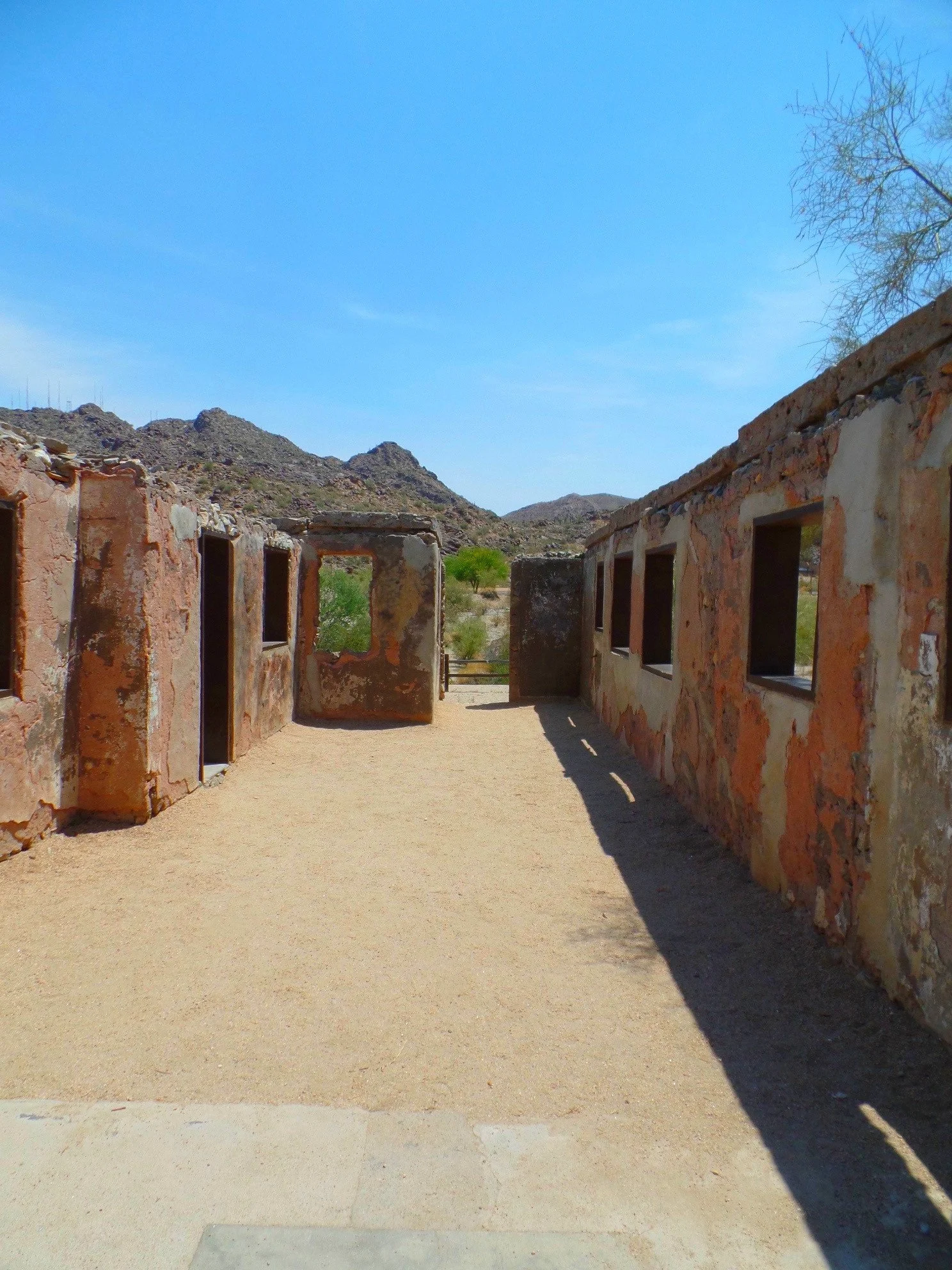
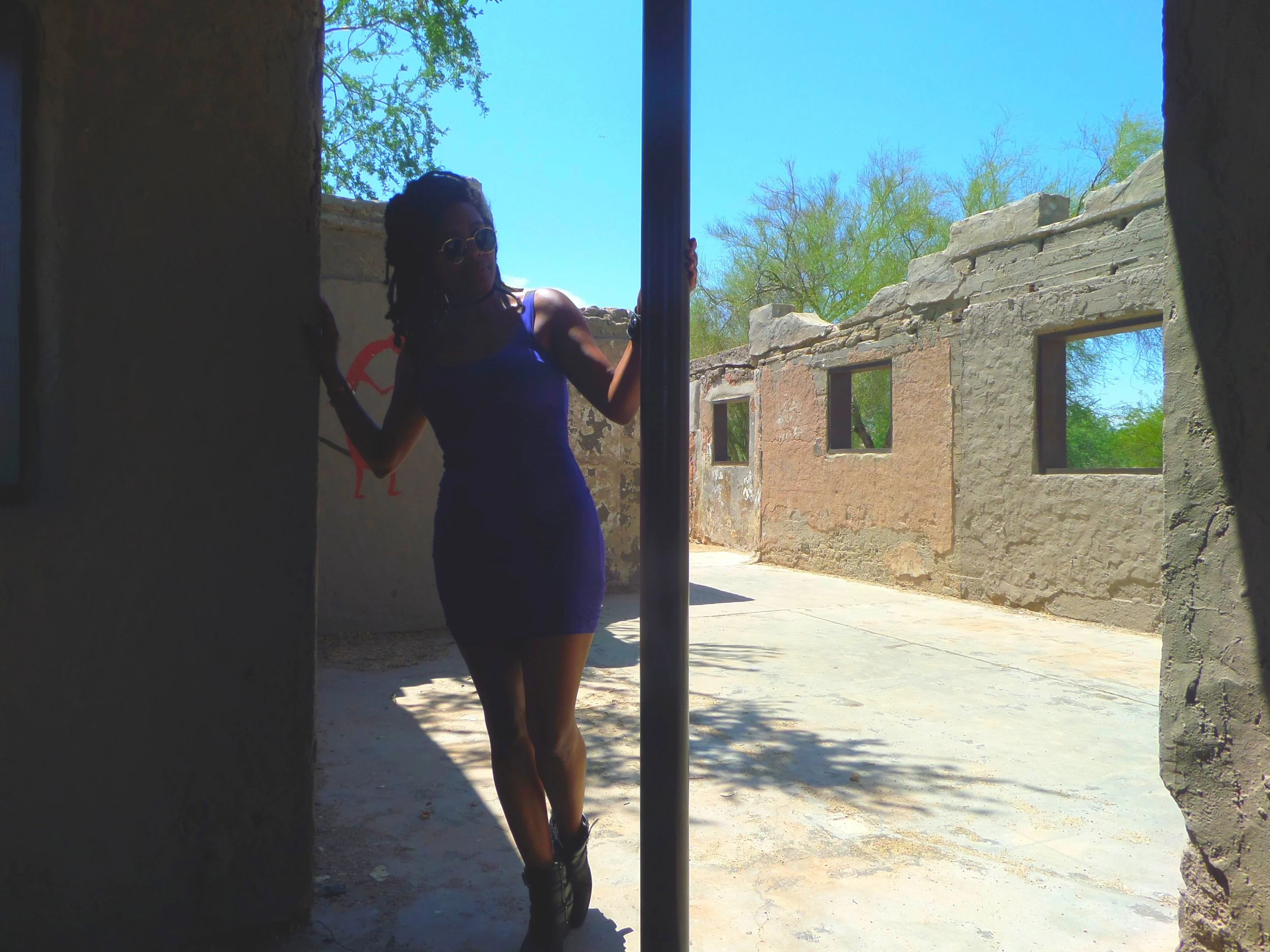
Scorpion Gulch Walkabout, 2016
✦ Know Before You Go ✦
Location: 10919 S Central Ave, Phoenix, AZ 85042. Located near the entrance to South Mountain Park and Preserve in Phoenix, Arizona.
Cost: Free
Parking: Available near the ruins
Best time to visit: Fall through spring or early morning during hotter times of the year.
Good to know: There is little shade so bring water, especially during warmer months.
Leave it as you found it: No littering and please don’t climb on or damage the ruins.